
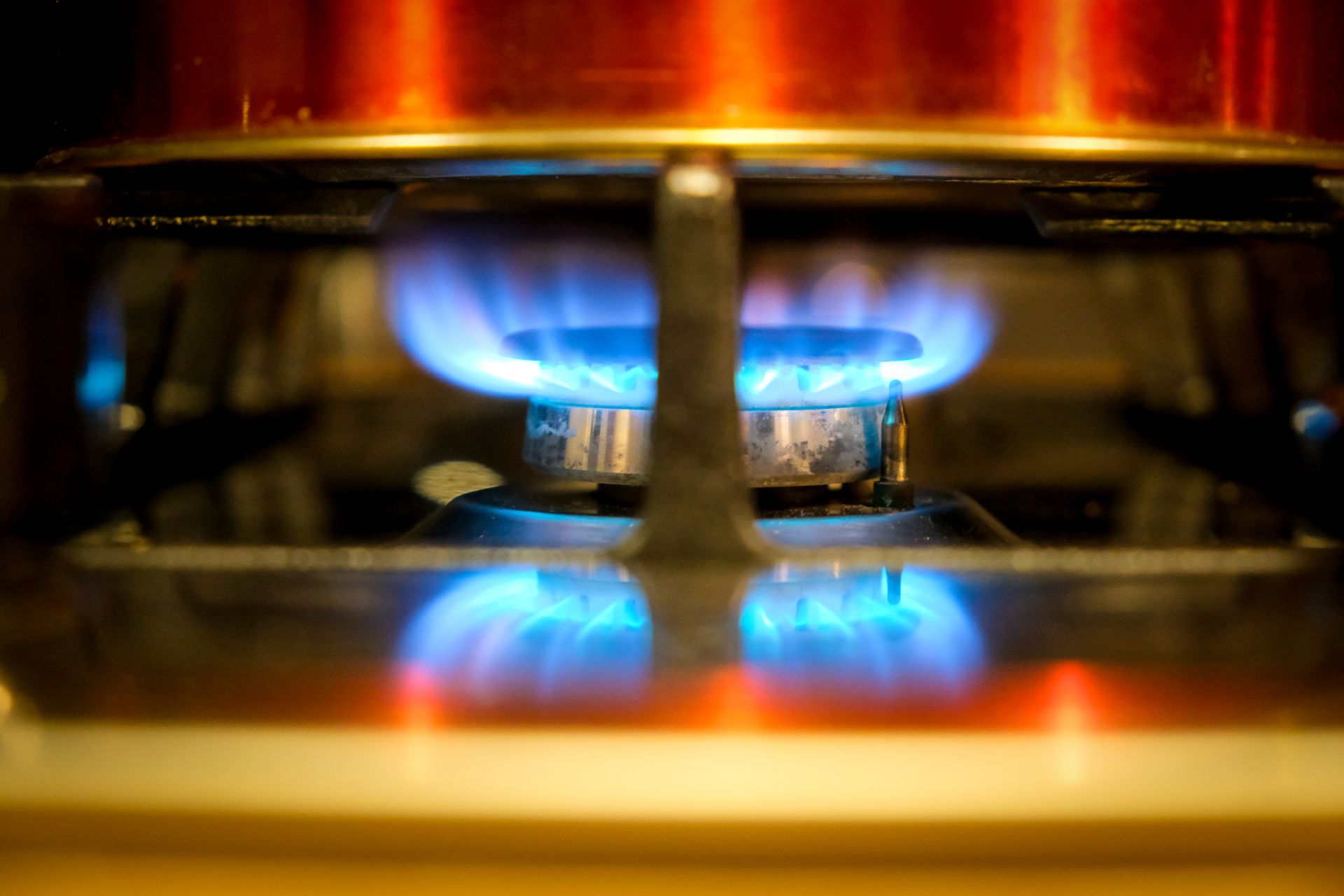
Household energy bills are set to rise sharply in the new year. Ofgem has announced that the energy price cap will go up by 26% for the period from 1 January to 31 March 2027, driven by higher wholesale gas prices linked to the conflict in the Middle East.
For a typical household paying by Direct Debit for gas and electricity, the annualised figure will rise from £1,723 to £2,166. The BBC reports that this works out at about £37 a month extra over the first three months of the year, and could be closer to £60 a month during the coldest weeks.
What is changing
The cap limits unit rates and standing charges, not the total bill, so what you pay depends on how much energy you use. From 1 January, the average electricity unit rate rises from 26.32p to 32.69p per kWh, and gas from 7.97p to 10.96p per kWh. Daily standing charges are largely unchanged, at 54.77p for electricity and 29.65p for gas.
Around 20 million households on standard variable tariffs are affected. Around 10 million households on fixed tariffs will not see this rise while their deal lasts.
Help with bills
The government has announced that around 20 million households will receive £100 towards their energy bills from January. The Warm Home Discount will also take £150 off bills for around six million households on benefits this winter. Ofgem has written to suppliers reminding them to identify customers who need help early and to make sure repayment plans are affordable.
A wider squeeze
The rise comes as inflation is already edging up. The ONS says consumer prices rose by 3.6% in the 12 months to October, up from 3.5% in September, with motor fuels the biggest upward driver.
What it means for you
- Check whether you are on a variable or fixed tariff, and when any fixed deal ends.
- Take a meter reading close to 1 January, so energy used before the rise is billed at the current rates.
- Review your budget now and, if you can, set a little aside for higher winter bills.
- If you are worried about paying, contact your supplier early. Citizens Advice also offers free help.
Sources: Ofgem, BBC News, Office for National Statistics
General information only, not financial advice.